Gift Box with Cut-out Cats: A Designer's Review
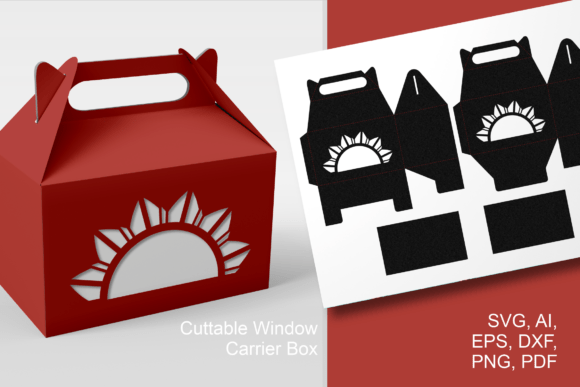
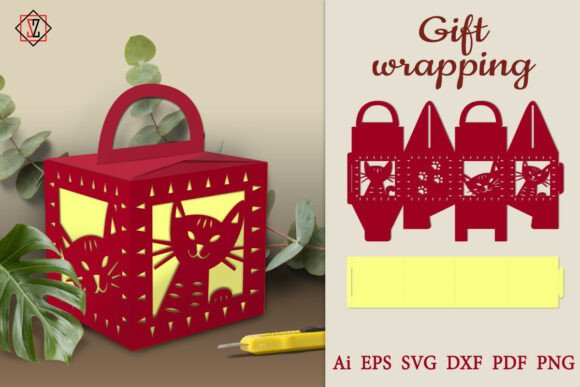
As someone who spends hours digitizing and stitching designs for clients, I approach every new machine embroidery design with a critical eye. It is not just about whether the image looks cute on a screen; it is about how that embroidery file translates into thread, how it sits on fabric, and whether it adds genuine value to a handmade product. When I first encountered the Gift Box with Cut-out Cats, my initial reaction was one of curiosity mixed with caution. The concept—a gift box featuring feline cut-outs—is undeniably charming, fitting perfectly into the Objects category. However, the description notes this is a 3D SVG intended for paper crafts. This immediately raises a red flag for an embroiderer: can this vector art be successfully adapted for textile work, or is it strictly for the scrapbooker?
Visual Personality and First Impressions
The mood created by the Gift Box with Cut-out Cats is playful, whimsical, and inherently gift-oriented. Visually, the layout suggests a structured geometric shape—the box—contrasted with the organic, soft curves of the cats peeking through. For an embroidery project, this contrast is both an opportunity and a challenge. The "cut-out" aspect implies negative space or perhaps an applique design technique where the cat shapes are layered or stitched around to create depth. If executed well, this could result in a stunning finished product that feels tactile and engaging. The visual personality screams "boutique," making it an ideal candidate for small shop products targeting cat lovers or those seeking unique holiday embroidery gifts.
However, because the source material is described as a paper craft SVG, the lines may be incredibly sharp and angular, designed for cutting blades rather than needles. In embroidery, we deal with thread colors and stitch density, not razor-sharp vector paths. A direct conversion without human oversight could lead to jagged edges or impossible stitch angles. As a designer, I see potential here for a beautiful satin stitch outline or a clean fill stitch body, but only if the digitizer respects the limitations of the thread.
Real-World Application Scenarios
Let's imagine a real-life scenario: you are preparing a custom order for a client who runs a local pet boutique. They need a series of custom apparel items, specifically tote bags and aprons, featuring a cohesive theme. The Gift Box with Cut-out Cats fits this narrative perfectly. Imagine stitching this onto a canvas tote bag design; the rigid structure of the box complements the sturdy fabric, while the cats add a touch of warmth. Alternatively, consider sweatshirt embroidery. Placing this design on the pocket area of a cozy fleece sweatshirt could create a delightful surprise element, as if the cats are peeking out of a gift hidden in the garment.
For Etsy sellers and creative entrepreneurs, this design offers versatility. It could serve as the central motif for a personalized gift, such as a baby blanket where the "gift box" contains the baby's name, or a kitchen towel set for a housewarming present. The key is recognizing that while the original file is a 3D SVG for paper, its application in commercial embroidery requires reimagining the depth. Instead of physical folding, we use thread build-up and color shading to simulate the 3D effect. This adaptation process is where a professional designer adds value, turning a static digital asset into a dynamic textile feature.
Navigating Technical Challenges
While the aesthetic appeal is strong, there are specific areas where the Gift Box with Cut-out Cats demands careful handling. First, consider the hoop size. If the design includes intricate details in the cat faces or the box flaps, it might require a larger hoop to maintain clarity, especially if scaling up for a pillow cover or blanket. Conversely, trying to shrink this for a cap or a small embroidered patch could result in lost detail. Tiny lettering or minute cut-out sections often turn into thread blobs if the stitch density is too high or the resolution too low.
Fabric texture plays a massive role here. On smooth, tightly woven cotton, the crisp lines of the box will shine. However, on textured fabrics like terry cloth towels or stretchy knits used in baby embroidery, the definition of the "cut-out" areas might get lost. Dark fabrics present another hurdle; if the design relies on light thread colors for the cats, ensuring sufficient coverage without excessive bulk is crucial. Furthermore, curved surfaces like caps distort geometric shapes. A square box can look trapezoidal if not positioned correctly on the curvature of a hat. In these instances, simplifying the design or adjusting the underlay is essential to maintain the integrity of the image.
Impact on Brand and Customer Perception
Using a well-executed version of the Gift Box with Cut-out Cats can significantly enhance brand consistency and customer trust. For a craft business, the quality of the stitch reflects the quality of the brand. A messy execution with poor stabilizer choice or uneven tension suggests carelessness, whereas a crisp, clean rendition signals professionalism. This design, with its inherent theme of giving, naturally boosts the "giftability" of any item it adorns. Customers are more likely to engage with a product that tells a story or evokes an emotion, and a cat popping out of a gift box certainly does that.
Moreover, for those selling digital embroidery files, offering a properly digitized version of this concept (distinct from the paper craft SVG) can drive buyer engagement. Makers are always looking for fresh design assets that stand out in a crowded marketplace. Providing clear instructions on thread choices and fabric recommendations alongside the file builds authority and encourages repeat purchases.
Practical Notes for the Embroiderer
Before committing this design to a final project, I strongly advise running a series of tests. Always stitch the design on scrap fabric first, ideally using the same material and stabilizer combination you plan to use for the final handmade product. Check the thread color contrast rigorously; sometimes what looks distinct on a monitor blends together when stitched. Review the stitch density in the solid areas of the box to ensure it doesn't cause puckering, especially on lighter fabrics.
Confirm the hoop size requirements early in the process. If you are working with a multi-needle machine, map out your thread colors to minimize jumps. Inspect small details closely under magnification—are the cat whiskers defined? Is the box corner sharp? It is also wise to test the design in black and white mockups to see if the form holds up without relying on color cues. Finally, and perhaps most importantly, verify the licensing terms. Since the original description highlights paper crafts and SVGs, ensure you have the right to use the adapted design for commercial embroidery projects or if it is restricted to personal use. Never assume a file format meant for cutting machines is automatically cleared for mass production in thread.
In conclusion, the Gift Box with Cut-out Cats holds immense promise for the right application. It bridges the gap between playful illustration and tangible craft. However, its success relies entirely on the skill of the embroiderer to translate a paper-craft concept into a durable, beautiful textile reality. With careful planning, appropriate material selection, and a keen eye for detail, this design can become a standout piece in any collection of holiday embroidery or everyday boutique goods.